Saturday, September 22, 2018

Mongolia Trip

Went to Mongolia to attend World Blind Union AP Mid-Term General Assembly. In between, went out to have some picture taking session. On the last day, went for a one day tour.

Reached UlaanBaatar Chinggis Khaan International on 9/9/2018.


While waiting for other members of the WBU, Took a few pictures of the plants in the carpark. First one is Heteropappus altaicus. It has another surprising view which I will show later.


Next is Lupine Clover. I cannot confirm its Scientific name.
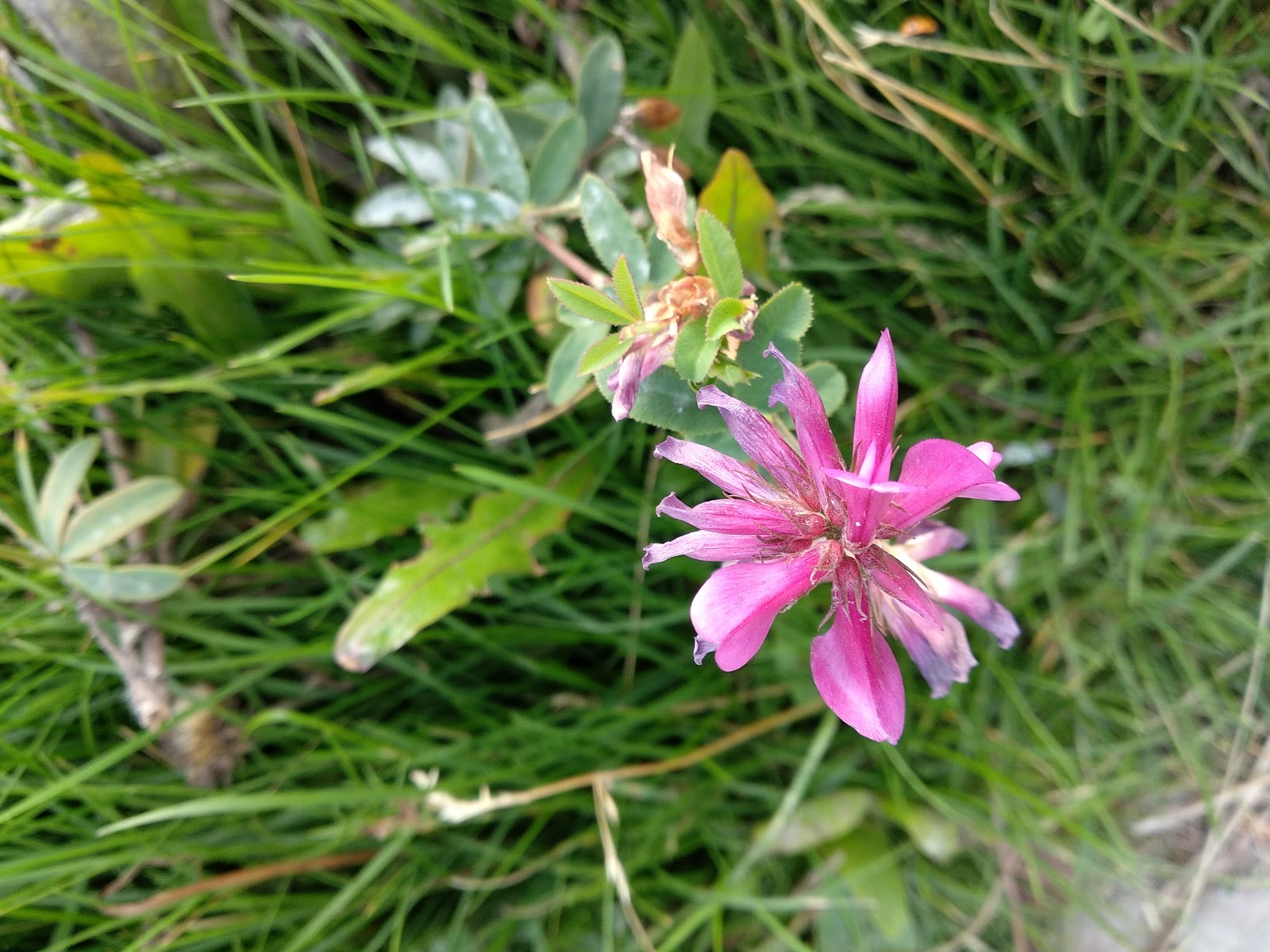


Next one is not focus properly as I am only using my hand phone to take picture. My camera is still in the luggage. I can't figure out what plant is it.


One other plant is Russian Knapweed. It is also not focus properly but at least it still captures the plant flower in the background.


Took a wide angle photo of the grass patch. The flowers are wild.


Walked further down and took a photo of Scots pine. Still focused wrongly.


Settled down in Holiday Inn Ulaanbaatar. Next morning, went out to have a quick shot of the garden in front of the hotel. It is a long and narrow garden in the middle of the road.

Took a picture of a unknown tree. Unable to identify.


There are no variety of plants in the garden till the end where there is a small patch of flowered plants. Common plants are Petunia.


Managed to get a focused shot of the Scots Pine this time.


Went further down to the junction and saw a mini flower garden. Plenty of Petunias.


One more flower I can't recognize.


At least I recognize this as Silver Ragwort.


Another flower I can't recognize as these are naturalized plants from other countries.


A photo of the tree that  I can't recognize too. Its trunk is painted to prevent frost I think.


Walked across to the further side of the road and saw this Yellow Sweet clover.


Can't recognize this one too.


Unfortunately, I cannot find a lot of plant photos on Mongolia. Many plants are just new to me. This one is a Alfalfa.


This one is Russian Knapweed. The close up is blurred due to wrong focus (auto focus as my eyes are as blur) so it is discarded.


This grass is also not recognized. Focus is out due to wind.


Another unrecognized grass.


Finally one plant that I can recognize. It is a Purple Shamrock. I guess it is not native.


A partially blooming flower. Seems to see it before but can't find in my library.


One more pine tree.


White Campion is one flower that I have searched for its name long ago as the flower pattern is unique.


This single Viola seems to be out of nowhere.


Running out of time so have to head back to hotel for the conference. Took a couple of picture in the conference for fun.


Before the hosted dinner, took a couple of photo on the mongolian tent from the hotel window. Like all cities, traffic jam can be seen below.


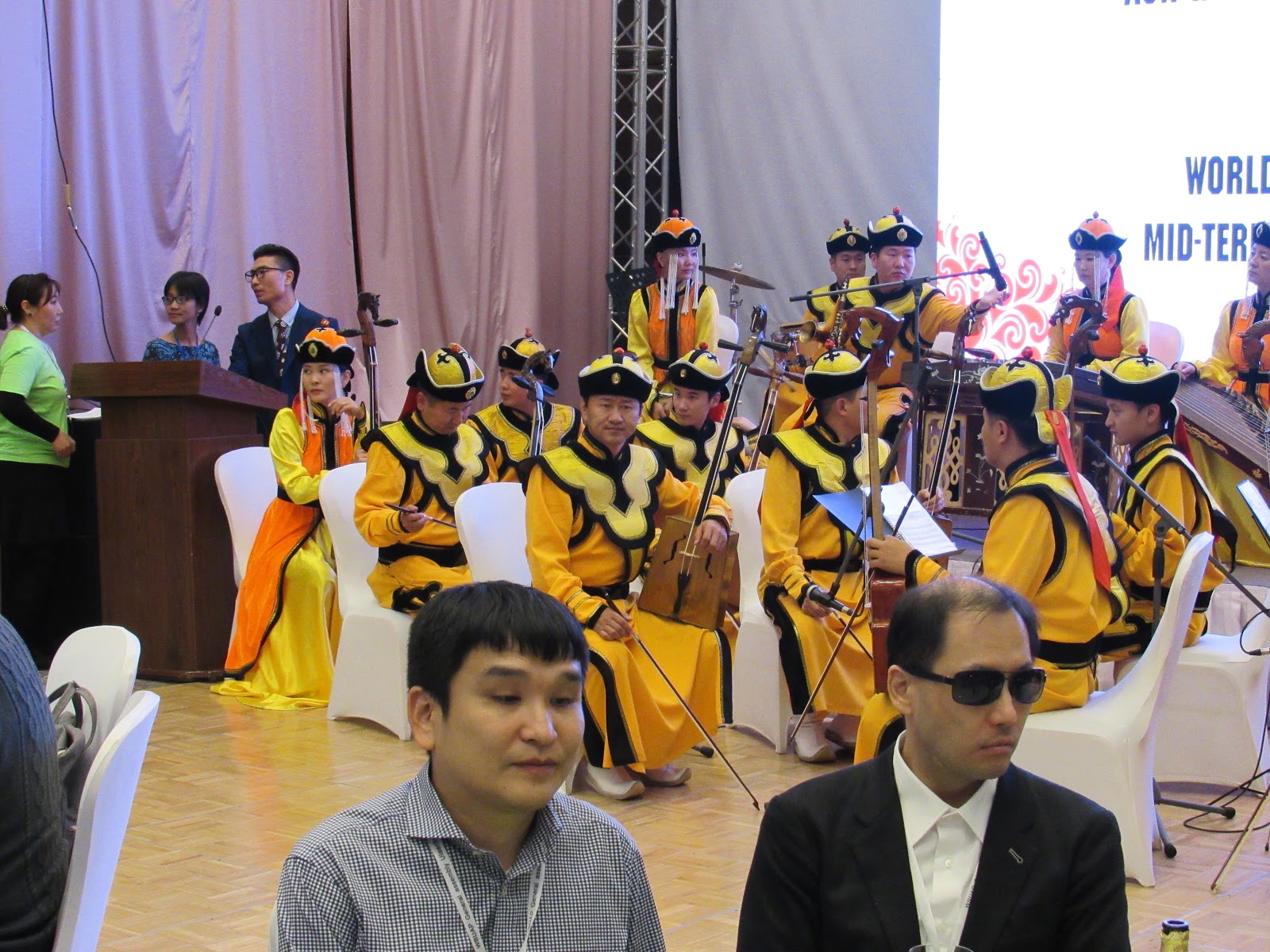
A few photos of the dinner entertainment performers. They are performing local music and songs.



Next morning, sneaked out again to venture around. Most of the plants are not recognized except specifically stated. The first one which is a Redroot Pigweed.


Mohilev Mallow is a climber.


This one is a Shrubby Cinquefoil. Notice I wear gloves. The weather is quite cold.


This one is probably a type of Maple.


This one is a Tufted Vetch


That evening went out with the group to Sukhbaatar Square before ending in Modern Nomads restaurant for a second taste of Mongolian food.


The next day is the one day tour. On the way, stopped by to snap some photo of the outskirt of Ulaanbaatar.


Managed to take picture of the Mongolian horse while the vehicle stopped due to traffic.


First stop is the Chinggis Khaan Statue. It is a huge statue with a hall below and a mini museum underground.


Of course I cannot miss those plants there. First one is unknown, the next one is a common dandelion. Last one is the same Heteropappus altaicus at the airport.


Next stop is Gorkhi Telelj National Park. First stop is lunch. Saw a Russian van, a sort of SUV.


After lunch, went to the nearby Mongolian tent hotel to see the inside of it.


Of course cannot miss the flora in the area. Three unidentified plants were there. There is a large fly on one of it.


The next plant is a Edelweiss.


Another one is very hard to identify. Most likely is a Caraway.


Next stop Turtle Rock. We stop a a photo taking spot where there is a souvenir shop with two fox skins outside.


Cannot miss this Greater Plantain plant growing by the road side.


We go further in the park for a horse ride. On the way snap a photo of the rare trees in the mountains.
Can't tell what tree is it. Probably pine trees.


We got a shock when the vehicle we are on goes down a stream and is about to cross a river before the driver decided that it is too deep to cross.


You can see the depth when a horse rider crosses the river.


The tour guide cum driver finally called a SUV to come over to fetch us.


In the ranch, there are two dogs, a Bankhar dog and a Husky. The Husky is extra friendly. It keep trying to play with visitors.


Finally, we get to ride a horse (on tow).


Feel very insecure on the horse thus did not take any picture during the ride. The tour ends after the ride. The driver bring us back to Ulaanbaatar shopping mall for a last minute shopping. Managed to snap photos of plants around the place.


Had a good night sleep before flying back to Hong Kong at 4:30 am.

Wikiloc map is here https://www.wikiloc.com/car-trails/mongolia-tour-28638102

Album is not only Mongolia, it include Hong Kong trips also so skip it.

香港爬山径

这是一个与香港朋友一起走的路径。由金钟地铁到黄竹坑地铁路过香港仔上水塘。首先去香港公园。公园里见到第一·朵花是大花蘆莉。


这杜鹃叶山茶也蛮漂亮。


下一段去的文具博物馆。可惜太早了,门还没开。再来的是细叶粉扑花。


接下来去霍士杰温室。有分干燥和湿热类。第一朵花是矮种猫尾巴 【铁苋菜属】。


接下来是丝带。


红皱椒草是我没见过的。


蝎尾空气凤梨也是第一次看到。


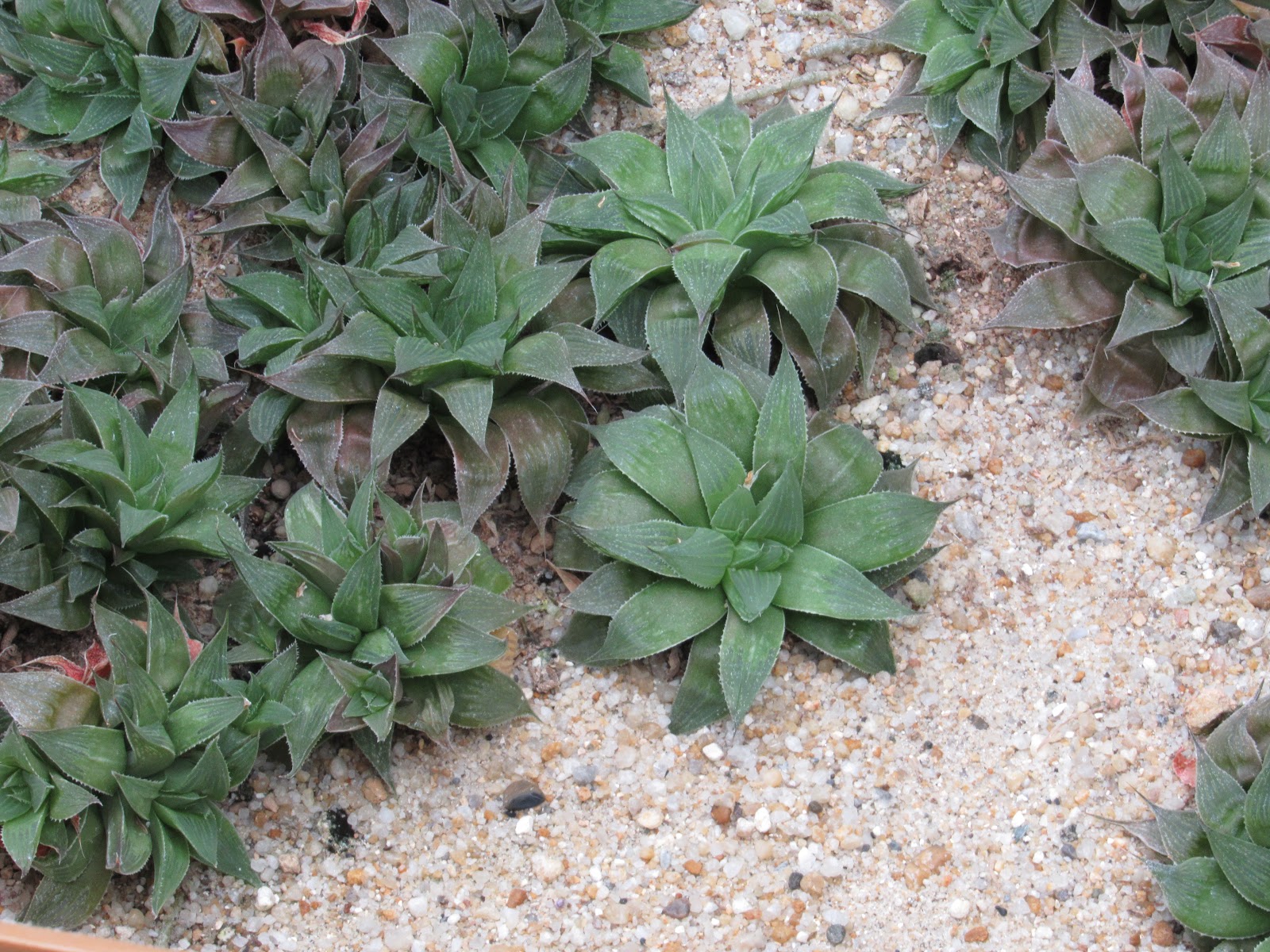
水晶连看来看去都不像水晶。


十二之卷是好奇怪的名称。


沙鱼掌就没什么特别。


镰叶天冬像杂草如果没名牌根本不会注意。


珍珠草就很漂亮。


第一次看到漆亮胡椒树。


火轮凤梨不可以吃的。


榄仁的果实是有翅膀的。可惜聚集不对。朦了。


接下来去尤德观鸟园。第一个上镜的是绿皇鸠。


斑皇鸠也来抢镜头。


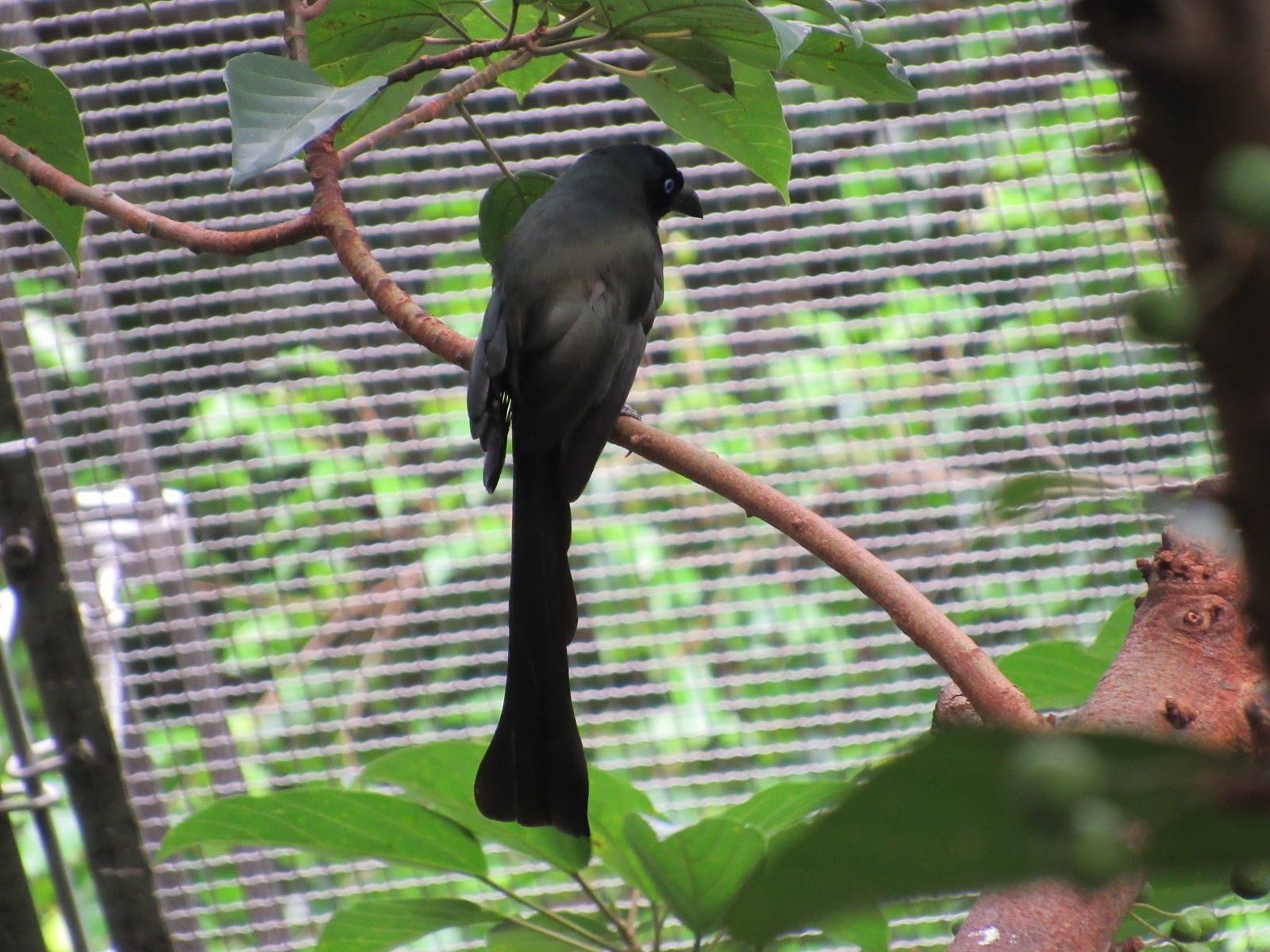
長冠八哥不怕人。我走的很近都不飞走。


鳳頭鳩夫妇在休息。


橙斑鹎的学名找了很久。聚集不是很好。


中国雉鸡夫妇也出来走动却不要合照。大男人主义。


打扰了绿翅金鸠吃早餐。


黑顶吸蜜鹦鹉也在吃早餐。


神秘的方尾卷尾也亮相了。


黄脸树八哥是第一次看到。


鳳頭鳩来一个全身照。


新加波也有画眉不过·从没拍过。


接下来就爬楼梯了。在宝云道看到这构树。


旖斑蝶很普通但是唯一的昆虫照。他也不慌不忙的等我拍。


在宝云道健身径看到降真香树。


附近还有百合科麦冬。


这豆科是假地豆。


这紅樓花出现在湾仔自然径。


这司徒拔道的树的名称不详。应该是玉兰树的一种。


想不到还看到野猪在渔光道的车站篱笆后面。我站的非常近。


接下来就没再拍照片了。穿过香港仔海旁道缘海边走。再沿鴨脷洲橋道下的

水渠走到黄竹坑地铁。好玩的坐地铁到海怡半岛·站才打道回酒店。

此程爬了64层楼高。步行8公里。接下来还陪家人购物。一天爬了82层楼高。累死了。

路径图在https://www.endomondo.com/users/247642/workouts/1193802525

相片集有蒙古和维多利亚花园的照片就不列出了。

Saturday, September 15, 2018

Raspberry Pi for Visual Impaired

Had a chat with a visual Impaired person during a flight. We talk about enterprises mass producing thus lowering the cost of products for VI (visual Impaired). I had mentioned that the pricing will probably be lower if the product is usable to both general public and VI than just for VI alone.

On passing, I mention that Raspberry PI is a compact and cheap computer with many sensors available and there is a screen reader that allow VI to be able to use it.

Can Raspberry PI be used by VI? The answer is positive. There are already VI using Raspberry PI with Raspbian and Orca. The latter is a screen reader. Unlike Apple, Raspbian (the most popular Linux distro) does not require application to comply to AT-SPI specification. Orca only works with apps that implements the specification. Just a few apps like Firefox, Mozilla, OpenOffice (those apps that probably most ordinary users will use) is able to work with Orca. Some programming tools like eclipse and Java can work with Orca too.

What apps ordinary VI will use? They most probably use browser to access Internet. It is a good source for learning.

They will probably also use LibreOffice Writer to do text proccessing. Some may use Calc to do spreadsheets. Experts may even use Base for database.

Email is quite common communication feature. Thunderbird, a Mozilla produce can be used as mail client. Major mail client can be web based.

With just the above few apps, it will cover most user's daily usage. More sophiscated users will probably use hand phones or laptop PC to suit their needs.

I propose to use Raspberry PI due to cost considerations. It costs about $50 to get a basic board. Just provide a few accessories like casing, power supply, and keyboard, you will get a complete system. With organisations providing free WiFi access, it will allow many who cannot afford to access this technology and be able to tap the vast range of data to upgrade themselves.

If you think that it is all that Raspberry PI can do, you should see what others use it to provide facilities for VI.

Raspberry PI have facility to plug in a large range of sensors and actuators. For example, user can use the camera module to take a picture of a book and use a OCR app to convert it to text thus allow user to read books.

Another use is to use the $3 Raspberry PI Zero, plug in a Bluetooth LE dongle and install a GitHub app to simulate an iBeacon. It is much cheaper than a hardware iBeacon. This simulated iBeacon can be used to make an indoor navigation system for VI.

Using a ultrasonic range sensor module, Raspberry PI can be turned into a navigation system by measuring the distance from an object.

The infrared transciever module can also be used to detect large objects for navigation use.

What about using the camera module to do object recognition? Branko Blagojevic had an offline object detection and tracking app on Raspberry PI using Yolo algorithm.

Raspberry PI is small but it is still a full Linux OS. It's processing power may be lower, but many things can be done with it.

AI is the trend. Raspberry can install Google TensorFlow to do deep learning. Microsoft is also providing AI for Raspberry PI.

With AI, robotics is next natural thing to do.

Are those technologies just empty talk? They are actually information taken from individual blogs and sites. Those people already done it.
To be neautral, the following are some issues that forms a hindrance to VI.

Raspberry PI does not come preinstalled with an OS. VI will not be able to install the OS without assistance.

Configuring the system to enable Orca is also not easy without voice.

Blind associations or companies may have to provide the device with OS and screen reader preinstalled.

There is a group that tried to assist VI in the use of Raspberry PI. The web address is https://www.raspberryvi.org. Download is disabled since 2016.

In conclusion, Raspberry PI can and be used by VI for various accessibility functionalities to improve the lives of VI.

The link to Raspberry PI is https://www.raspberrypi.org.


Wednesday, September 12, 2018

Indoor Navigation System

While in the World Blind Union regional accembly Mongolia, a delegate from Malaysia shared on the use of beacons for navigation during a small talk.

In 2015 October, I attended 中国第十一届信息无障碍论坛. There was a talk about Guangzhou public bus using BLE beacon technology to help user identify the bus.

This BLE beacon technology is quite new. Apple introduced iBeacon in 2013. One of the use is for Indoor Navigation. It's distinguished feature is it's ability to measure the precise distance between the beacon and it's receiver, notably user's iPhone.

What are the pros and cons of using it as an indoor Navigation system?

PROS

1. The system was specifically designed for this purpose.

2. It does not require complex system to set up although it does require a database system to provide a navigation map.

3. Scalability is flexible.

4. It can tell precisely the distance and the approximate direction by moving the reader around.

5. Both iPhone and Android are now capable of accessing BLE beacons.

CONS

1. The beacon is an active device that requires power supply in the form of battery or wired power line. Constant maintenance is required if battery is used.

2. Each device have a specific ID. In times of breakdown, maintenance will have a hard time detecting it unless the specific location is reported.

3. Cost is a great concern. In a typical building, a complete navigation system will require high numbers of beacons.

4. Proximity of beacon. The beacons cannot be placed too closely together. At any time only one can be accessed as it only tells the distance not direction. This could be overcomed by multiple scanning but it will slow down the speed of reading.

5. Implementation is also an issue. Unless the public is willing to invest in the beacon infrastructure, it will be limited. It will not be cost effective to provide for a small groups of clients. Small Enterprise will find it more costly to implement by themselves.

6. Unless hand phones can be cheap enough, user may not even have access to the technology.

Other devices like wifi/bluetooth hotspot or active RFID requires special reader devices that may have to integrate with hand phones. Proximity measurement virtually does not exist. Recently, I device a method of using RFID for navigation. If RFID is laid along a path with a known distance gap, A reader can read at least 2 or 3. While on the move, the reader can read more RFID and can tell which one is no longer in the list. By comparing with the last read RFID, You can actually tell which direction the reader is moving. This is provided a map of all the RFID are done. It like picking up sweets on the floor that is laid in a trail. This method does not require active RFID thus it is much cheaper to deploy and maintain.

Ultra sound emitters that sends out coded data requires higher power and may disturb guide dogs. I am not sure hand phones can receive ultra sound. Also in noisy environment. It will be difficult to implement.

Coded UV light communication will be directional but cannot determine proximity unless programmers can write codes to measure it. It also requires special hardware.

A new development is to use Augmented Reality. Apple have ARkit and Google have ARcore Unfortunately Google terminated the Tango project and replaced it with ARcore which does not do well detecting proximity unless OEM uses two camera technology and Google ARcore adds the "Measure" technology to make use of it. Other uses of this technology like heptic feedback is used to let VH "touch" objects but that is not the topic of discussion.

One of the main requirement of navigation is routing. It allows users to get to their destination from specific location. Routing requires waypoints. Thus it is important to get location info from waypoints. Besides beacons, there is actually a lack of such hardware. AR series uses camera to read the surrounding. If a known start point is determined, it does not require many waypoints. Unfortunately the technology is still new and lacks critical modules to determine precise proximity as currently it lack depth of field resolution capability.

Unless manufacturers and enterprises are willing to develope hardware that could determine direction and proximity and integrate with hand phone, it is still a long way for VH to fully navigate by themselves without assistance.

AR series technology is promising as it does not require hardware beacon devices to provide waypoints. If both Apple and Google are willing to use two camera devices to develop depth of field measurement, it will be good news to VH society. It is still feasible as we don't require precise measurement of objects. VH just need to use their cane to do more close proximity of distance.

One hardware I would like to introduce is the Raspberry PI computer. It is quite small (cigarette box size without battery and keyboard) with a complete Linux OS but it packs a punch. It has big range of sensors that can be used. Raspberry Pi Zero is a US$5 device that have USB Port. Just plug in a BLE USB dongle to provide bluetooth capability. All that is required is to make it a transmitter with unique ID. GitHub already have a Python script to simulate iBeacon funtionality. The standard Raspberry pi can be used as a navigation device. It costs just US$35. It does not have facility to compute proximity as provided by Apple or Google yet. The Zero series can be used with iPhone or Android already.